
Here’s why chicken is still flying
What do these restaurants have in common: Selekt Chicken, Chicos, Chicken Valley, Wonder Bird, The Chicken Shop, Slim Chickens, Wingstop, KFC x 2, Pepe’s Piri Piri, Nando’s, Dixy Fried Chicken and Chesters?
They are all pretty much located in one high street, a few minutes’ walk from my house in north London. This is ridiculous, right? Surely we have reached peak chicken? The market has certainly been on an incredible growth trajectory, with the number of chicken restaurants increasing by 30% over the past four years in the UK, according to Meaningful Vision, which last year alone recorded a 6% uplift in the category, led by the capital, where outlet numbers grew an impressive 21%.
There have been a plethora of brands expanding their existing presence and others entering the market – including a batch from the US and elsewhere. Popeyes, Wingstop and Slim Chickens have announced serious expansion plans over recent months that will add hundreds of outlets to their current estates. There has also been the much-anticipated return of Chick-fil-A, which will be joined at some point by Church’s Texas Chicken, which is planning to launch here in the next two or three years, with up to 500 sites.
These sorts of aspirations undoubtedly helped push up the price of the sale of a majority stake in the UK franchise of Wingstop to US private equity giant Sixth Street, placing a valuation of the business at a reported £400m. Highlighting the global rise of chicken is the fortunes of McDonald’s, which has been suffering from its lesser exposure to poultry. McDonald’s chief financial officer Ian Borden told analysts last year that the chicken category is twice the size of beef and that it’s growing much faster. Its menus have had an on/off relationship with chicken tenders and burgers over recent years, but it now knows it needs to stake a proper claim on this dynamic part of the fast-food market.
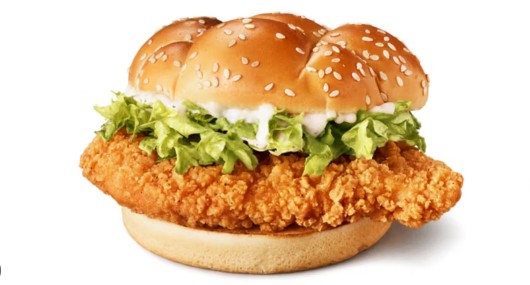
It will have noted that five of the 11 fastest growing US food brands on the Technomic Top 1,500 restaurants list sold chicken. McDonald’s sells $25bn worth of chicken globally each year, equal to its sales of beef, but rival KFC does $34bn worldwide sales of just chicken. No surprise that as its overall sales are suffering, McDonald’s is actively building out its chicken menu – with a return to selling tenders and chicken wraps and a greater push behind its Chicken Big Mac and McCrispy.
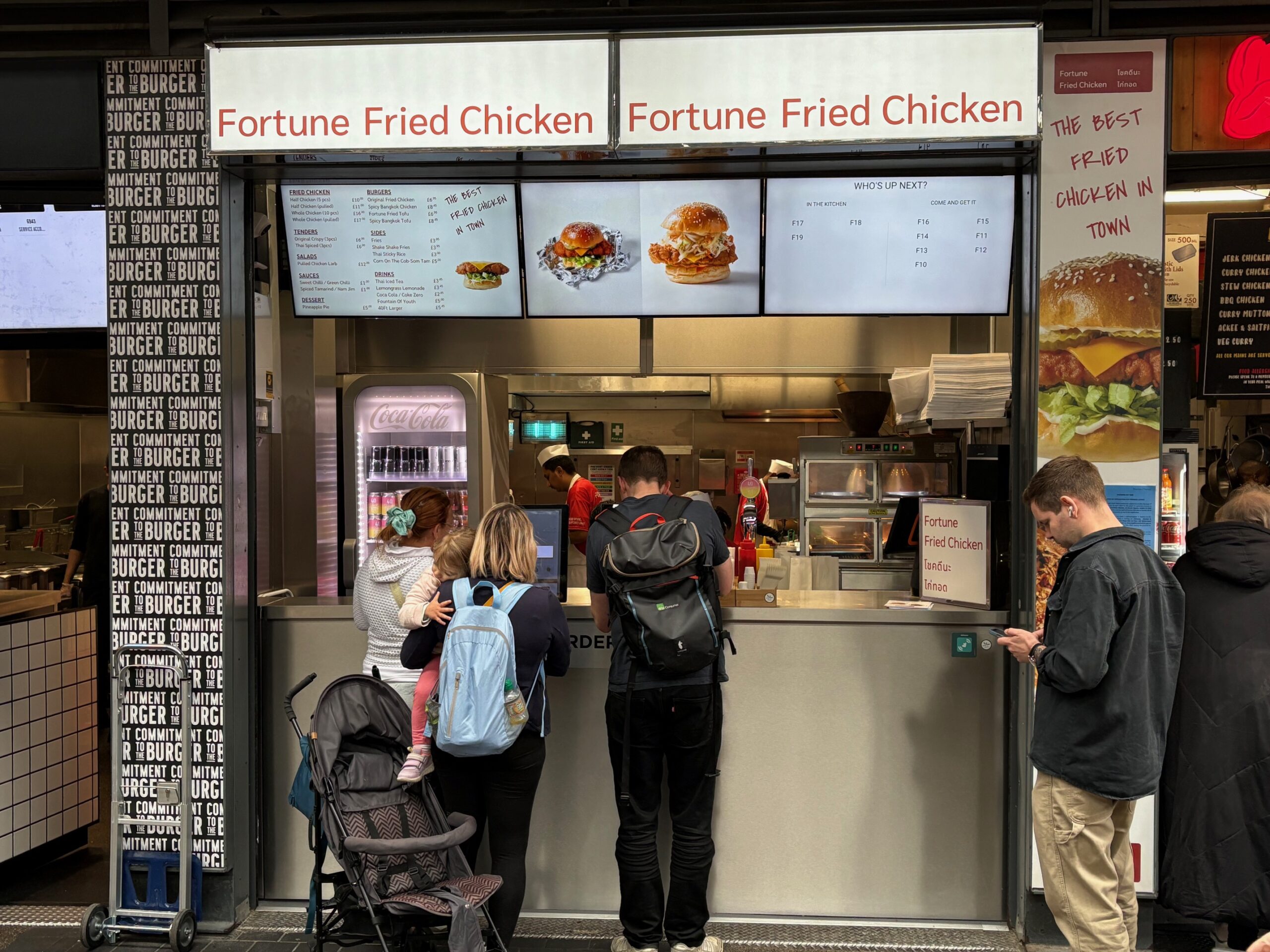
Despite the incredible growth seen in the market to date, I reckon there is still plenty more mileage in the fried chicken phenomenon in the UK. Harneet Baweja, founder of the Gunpowder restaurant business, agreed when I sat down with him in Spitalfields Market to enjoy lunch from his newly opened Fortune Fried Chicken kiosk, which serves an authentic Thai version of a chicken burger with accompanying fiery spices and sauces. He said: “The perception is that it’s healthier and less fatty than beef. In the multi-cultural UK, everybody eats it. Caribbean and Asian cultures don’t eat all meats, but everyone consumes fried chicken, even the French! And it tastes so good. It’s soul food.”
Chicken also has price on its side versus beef. Prices of cattle have been soaring, with record levels for beef reached in April. In the US, this has been fuelled by drought, sending cattle numbers to a 70-year low. Donnie King, chief executive of Tyson Foods, the largest US meat packer, recently stated: “Beef is experiencing the most challenging market conditions we’ve ever seen.”
The more keenly priced chicken has proven particularly attractive to price-sensitive youngsters. Wingstop has cleverly targeted the younger grouping in each of its global markets, with rap music at the heart of its UK operation. The idea has been to focus on youth communities and encourage youngsters to hang out in its restaurants rather than seeing them as an inconvenience to be shooed away once they’ve finished eating.
There might already be 13 chicken restaurants in my local high street, but the way sales of the birds are flying, this does not look unlucky for any of them, and far from being a saturated market, I would not bet against further brands joining them in my locale.
Glynn Davis, editor, Retail Insider
This piece was originally published on Propel Info where Glynn Davis writes a regular Friday opinion piece. Retail Insider would like to thank Propel for allowing the reproduction of this column.