
London’s alfresco revolution should be embraced
The Soho Village Fete is coming up in July – a wonderful celebration of British eccentricity held by The Soho Society in the heart of one of the world’s most famous areas of entertainment, with the highlight being the waiter’s race through the historic streets.
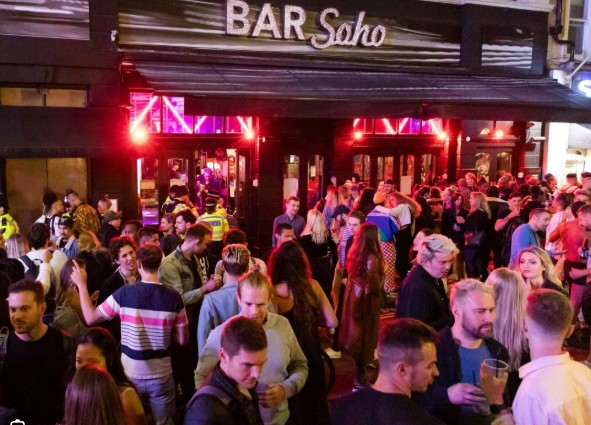
As a member of The Soho Society for a couple of years, I’d received its regular magazine, and it was clear from its contents that a primary objective of the organisation – which exists to represent the area’s residents – was to complain about night-time activities. The objections went up a notch post-pandemic after the locals had rather enjoyed the prolonged period of peace when the streets were largely deserted.
The honeymoon ended with an abrupt bang as the relaxation of street licences (due to the brief ban on eating and drinking indoors) led to mobbed streets and alfresco mayhem. The society might have ultimately objected once too often though as it is now facing a hefty legal bill after losing a court battle against The Green Room Distillery.
It is a great shame that these residents have turned on the very thing that very likely initially attracted them to living in the area – entertainment on their doorsteps. Having lived in the heart of Soho when younger, I’d have to say that I’d find it a tough ask to repeat the exercise at my current slightly more mature age.
Let’s hope we do not see this unfortunate Soho scenario played out in other parts of the capital, because we are on the cusp of a serious amount of pedestrianised zones coming on stream, which represents something of a potential revolution in alfresco eating and drinking in the capital.
The big one is removing vehicles from a 0.7 mile stretch of Oxford Street, which will undoubtedly provide fertile ground for an influx of cafés and restaurants. Up until now, eating and drinking around this major retail thoroughfare had been on the quieter side streets, but with mayor of London, Sir Sadiq Khan, promising to pedestrianise the road as soon as possible, there will be the tremendous opportunity for hospitality to flourish on the street itself.
This is very much the hope of Neil Gregory, head of operations at Greene King pubs’ Urban division in London, who says: “Oxford Street has the potential to become a great hub for hospitality in a similar way to the traffic-free Leicester Square. Our pubs surrounding the area are situated on the roads connecting the iconic street, and if the traffic wasn’t heading into Oxford Street, we would hope we would be allowed to extend our pavement trading, allowing for permanent furniture fixtures and increased opportunity for alfresco dining and vertical drinking areas.”
The mayor is clearly on something of a roll as he has also secured £300,000 to develop four alfresco dining hubs across London. Key roads in Covent Garden, Shoreditch, Brixton and Leyton will become car-free and enable open air eating and drinking until 11pm. These actions mark a return to those pandemic era initiatives that were very much embraced by the public.
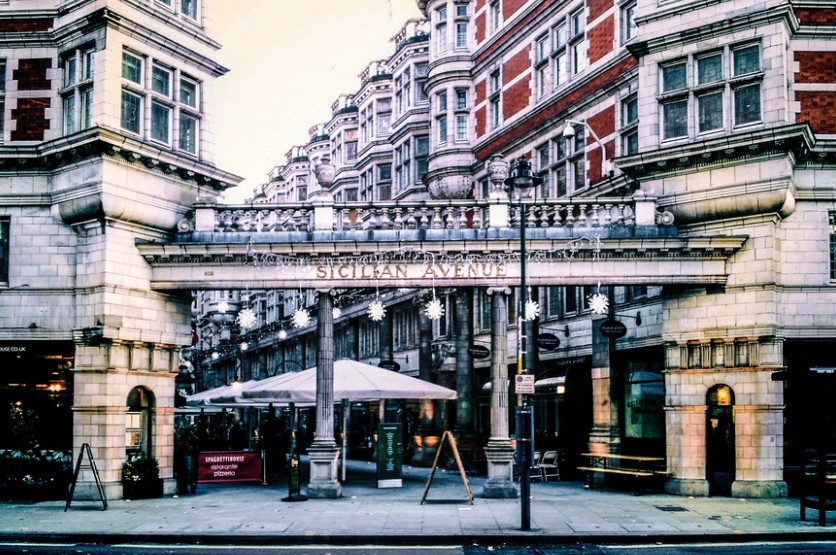
Ahead of the reopening of the iconic Sicilian Avenue in London’s Bloomsbury, research commissioned by developer Tristan Capital Partners, found 63% of UK residents visiting the capital are more likely to choose a café or restaurant on a pedestrianised street when visiting the city for leisure. The car-free Sicilian Avenue, with its mix of hospitality, attracts an impressive 70,000 daily visitors.
Although there has naturally been some roll-back from that covid-19 alfresco free-for-all – notably in Soho and other areas of Westminster – it has undoubtedly left a long-standing mark on the hospitality sector. Walk down many roads in the capital today such as Charlotte Street and many outdoor extensions of dining rooms remain in place. Helped by the more relaxed approach to the outdoor licensing regime, there has been a radical behavioural shift by people to choose to eat and drink outdoors – almost irrespective of the weather.
There are few positive hangovers from covid-19, but this behavioural change is undoubtedly one of them, and it takes the UK yet further down the road of the casual continental European approach to eating and drinking that has been so lauded over the years. When combined with the concerted efforts of the mayoralty to bring back more of the joyous street scenes from the pandemic, then the hospitality industry in the capital might be getting a rare shot in the arm. That would no doubt be misconstrued by the residents of Soho.
Glynn Davis, editor, Retail Insider
This piece was originally published on Propel Info where Glynn Davis writes a regular Friday opinion piece. Retail Insider would like to thank Propel for allowing the reproduction of this column.