
Moving too quickly to a cashless society
Back in mid-2008, food-to-go chain Eat was something of a pioneer as it had installed contactless card readers at each of its tills within its Moorgate branch as a bit of a test. It was looking to roll-out the equipment to more of its units because it had hit the pre-arranged number of contactless transactions to qualify the trial as a success.
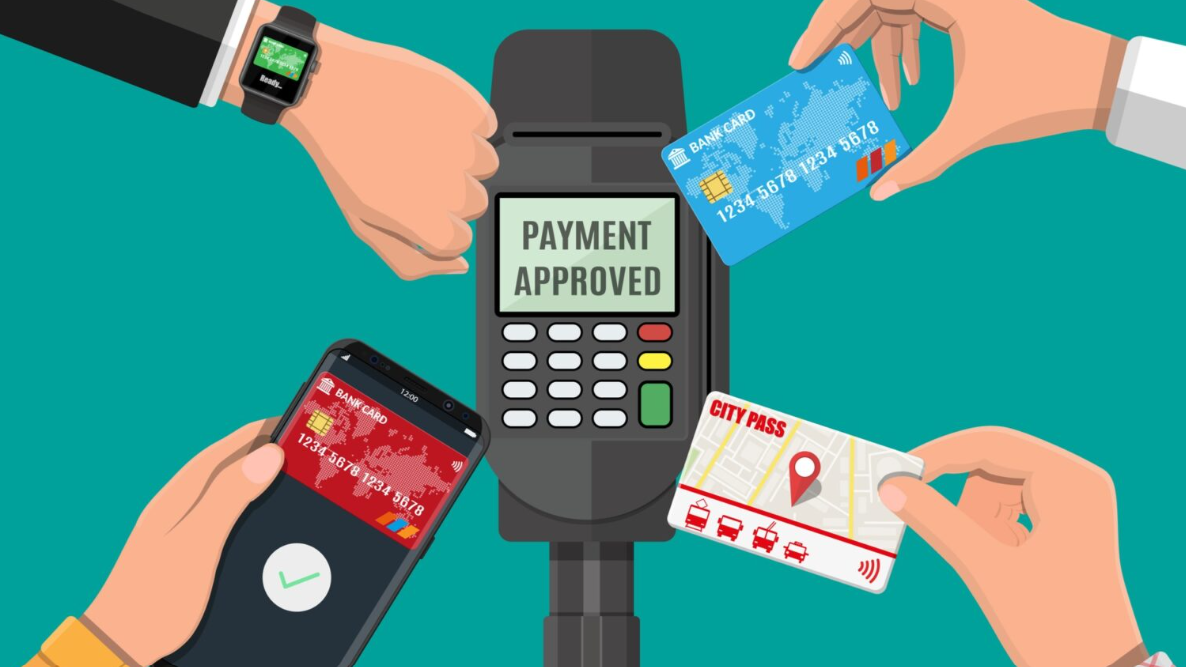
When I enquired about what the threshold for success had been set at, I was told it was one. Further questioning about whether this meant 100 or 1,000 received the response of one. Payment scheme Barclaycard had set the success criteria at the rather modest level of one transaction per reader per day and Eat Moorgate had apparently been hitting these un-stretching numbers.
At the time, such payments were more expensive to process than handling cash for hospitality and retail companies and there were few contactless cards in the public’s hands, so things were, not surprisingly, moving along at a pedestrian rate. Needless to say, we are in a very different world today, with transaction fees having shrunk and contactless cards now in the hands of pretty much everybody. We also have digital wallets further fuelling the rapid embrace of contactless by consumers.
Covid-19 also played its part in accelerating the trend towards such payments as cash was banished and card payments were the only accepted form of currency. This has helped push contactless spending up by 49.7% within the UK in 2022, according to Barclays. This growth has been especially pronounced in the hospitality sector, with hotels, resorts and accommodation rising by 101.4%, while pubs and bars moved up by 91.9% and spend in restaurants jumped 90.5%.
This has clearly given many businesses the impetus to remove the cash option. The inability to pay with cash in many coffee bars is not particularly unusual – especially in London. It has not made any difference to my activities, but it has felt quite jarring when I’ve seen individuals turned away for not having the relevant plastic or digital wallet in places where I’ve been supping a flat white. At a local coffee shop, an older man had to leave the premises, and I’m still feeling bad some weeks later that I didn’t engage in an act of generosity and pay for him. Maybe it would have been poorly received in such a place as banishing cash might act as some sort of filter on the clientele.
At least this sort of thing does not happen in pubs, apart from the odd outlier like Chilled Pubs, I understand. I was, therefore, rather shocked when Greene King announced recently that it was undertaking a trial in a number of its pubs to remove cash payments – including some venues under its Chef & Brewer brand. The rationale behind the decision was that card payments make up 90% of transactions in these pubs.

This figure does not suggest to me an obvious trigger to go cashless as cash makes up 11% of all in-person transactions in the UK across all types of businesses, according to the Global Payments Report 2023 from FIS, so this 90% level hardly stands out. What does stand out though is that a national pub chain is undertaking such an experiment. Pubs are surely the last bastion of egalitarianism where everybody is welcome – regardless of whether they want to pay in coins and notes or Apple Pay.
Greene King clearly knows this. It has just released research that found pubs are still regarded as the economic and social bedrock of local communities. As many as 82% of people in the UK recognise that pubs are important to local communities and 60% believe pubs support the local economy. Both these important elements would be chipped away at if the people behind those 9% of cash transactions were unable to participate, and contribute, to their local communities and economies.
There is clearly irrefutable evidence that cash usage is petering out in the hospitality sector, but until the amount spent is negligible then it is surely damaging, for pubs in particular, to remove this option.
Glynn Davis, Editor
This piece was originally published on Propel Info where Glynn Davis writes a regular Friday opinion piece. Retail Insider would like to thank Propel for allowing the reproduction of this column.