
It needn’t be the final furlong for fine dining
It was during my teens and early twenties that I’d visit London with my mother for short breaks and choose smart restaurants for our lunch, which over the years took us to some of the city’s finest dining rooms, serving food from acclaimed chefs. These included The Oak Room with Marco Pierre White, The Connaught with Michel Bourdin and Nico at Ninety in Park Lane, where Nico Ladenis ruled the roost.
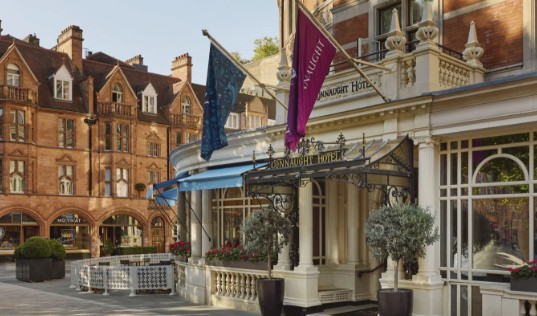
My mates in Yorkshire were puzzled by my interest in visiting such unfamiliar places with expensive, fancy food and (all too often) off-hand waiters. I’d argue the case with them that I was simply ahead of the game and giving myself more years to eat well and enjoy the “good life”. In due course, they would cotton onto the joys of dining in smart restaurants and join me.
Maybe they did follow me, although I wasn’t wholly convinced about this to be honest. Whatever their future actions, the appetite for fine dining in smart restaurants has certainly waned over recent years, with fewer youngsters now finding appeal in the category. During a lunch at Sartoria in Savile Row with Martin Williams, chief executive of Evolv Collection, he acknowledged the challenges to me.
He has recently installed a new chef in its Orrery restaurant with the aim of earning a Michelin star for the Marylebone venue – which has just reopened – but he recognises this move to offering a finer cuisine in a slick setting has the risk of reducing the pool of potential customers.
Rather than eating star-level food in a traditional dining room, younger customers have become more enamoured with venues and cuisines that have high social media currency. Although this can be fleeting for the venues, it is a game that more establishments are recognising they have to participate in if they are to appeal to younger generations.
This is clearly not the only route to enticing the future customer grouping into smart restaurants, of course, as Williams mulled over the potential for the industry to offer discounts to younger people, which would mirror the lower cost memberships that many private members’ clubs offer. It ensures they have one eye on the future and do not suffer from dwindling memberships as their numbers inevitably die off.
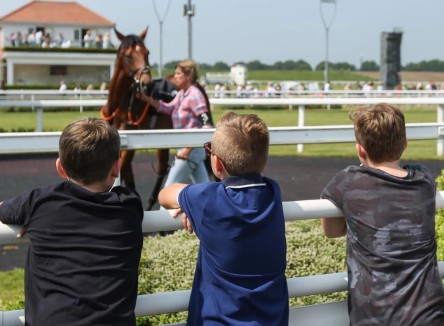
The higher end of the restaurant sector can learn much from the horse racing industry, which had for years suffered from an increasingly ageing customer base, fuelled by a dearth of youngsters attending meetings. Industry-wide efforts have completely turned around the situation.
Many racecourses have “festival-ised” the day for key meetings by adding live music – with some major bands booked – and DJs, along with food villages and pop-up restaurants on-course. They have also themed certain days and leant into the fashion side of racing, with dressing up now a big part of the experience. This has all helped fuel social media activity, and the courses themselves have promoted their activities down these channels.
Student days and group discounts have become commonplace at many courses, which has helped fuel the pipeline of first timers to race meetings. My undergraduate daughter and a friend recently went to a midweek evening meeting at Chelmsford Racecourse on free tickets and very much enjoyed the cost-efficient night out.
Highlighting the proactive mindset now in place in the horse racing category is the initiative between the British Horseracing Authority and Flutter UKI that involves a Dragon’s Den-style summit, which is seeking to unearth new solutions to attract more next generation racegoers. They are open to concepts including augmented reality race guides, wearable technology for horses and immersive virtual reality experiences.
Is all this effort working? Well, annual racecourse attendance figures in Britain topped five million for the first time since 2019, with a 3.6% increase over the previous year, and youngsters and families represented the highest rising group. The number of under-18s increased by 17% from 2024, according to the Racecourse Association.
Back in the finer dining category, there is certainly some progressive activity being seen on the margins as some leading chefs are mixing things up a bit and injecting more experiential elements that have greater appeal to the younger crowd. Jason Atherton’s Row on 5 splits its tasting menu into three parts, which are each taken in three very different styled rooms across different floors of the venue in Savile Row, where an eclectic mix of music is played.
Also removing the old-school nature of fine dining and amping up the soundtrack is Gareth Ward at Ynyshir, who employs an in-house DJ to play a varied mix of vinyl that very much sets the vibe level to youthful. Recently opened Materia from Victor Garvey has also taken this route, with a DJ playing a varied mix of beats, and the scene being set when guests initially enter the restaurant through a passage that houses key ingredients on the menu, which can be touched and smelt.
And Michael O’Hare has constantly sought to bring theatre into his high-end dining rooms in the north. There is also more playfulness being brought to menus at spin-off restaurants from leading Michelin chefs. Consider the myriad potato options at Clare Smyth’s Corenucopia, and the clever creations at Trillium in Birmingham from Glyn Purnell.
These are chefs very much at the top of their game and they have recognised the need to inject more of an experience into the fine dining category. It’s not about revolution but a gradual evolution of the model that ensures it still appeals to the existing customer base, but also, critically, tempts in those younger guests.
Glynn Davis, editor, Retail Insider
This piece was originally published on Propel Info where Glynn Davis writes a regular Friday opinion piece. Retail Insider would like to thank Propel for allowing the reproduction of this column.