
Dynamic Thinking
It doesn’t take an economist or a rocket scientist to tell you that these are tough times for consumers and the hospitality and retail sectors. Traditionally, during such times, the pain heaped on quick service restaurants (QSR) and the value retail operators from losing budget-conscious shoppers who shift some of their dining out spend to the grocery sector had been offset by higher-income diners trading down.
There is undoubtedly some of this taking place, but in this current crisis, there is something of a more polarised market dynamic playing out. Affluent groups are insulated by the boom over recent years in global stock markets, which have enabled their savings to perform especially well and protected their healthy disposable incomes.
The net result of this scenario has been a declining market for QSR and fast food. Between 2024 and 2025, it fell 1.3%, according to Meaningful Vision, which found 66 of the top 130 brands suffered revenue declines and that any growth has been down to new store openings and not from like-for-like sales increases.
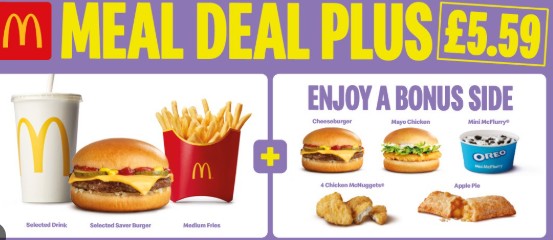
To fight back, there has been a promotional bonanza from the QSR brands – and others on the periphery – despite the harsh inflationary environment. Meaningful Vision found 20% of all menu items are in meal deals, and 48% of all promotions are meal deals. Pushing such promotions helps shove people over the psychological threshold of £5 that customers are not too keen to cross. To counter such obstacles in the US, we’ve even seen McDonald’s launch bargain-basement $3 and $4 meal deals.
It’s clear that all this is centred on using price as a rather blunt instrument, but McDonald’s has been smarter with its location pricing, with Big Macs priced at between £4.79 and £5.79 (a 25% differential), depending on the price sensitivity in certain store locations based on competitors’ pricing data.
The company could be even smarter if it were to adopt dynamic pricing strategies. No doubt it is considering such actions, along with many other companies. A survey in 2025 by Toast found 70% of restaurants were “very or extremely interested” in implementing dynamic pricing, but only 7% were currently using the practice.
And I bet you a Big Mac that these businesses are doing so under the radar, because any whiff of such activity is tantamount to a crime, judging by the media outcries we’ve been experiencing. When the Bank of England issued a statement recently suggesting 31% of companies in the UK plan to use tools for dynamic pricing in a year’s time, compared with 21% currently, it led to hysteria in the national press, with The Sun and other newspapers suggesting the end of civilisation is nigh.
The media’s opprobrium is no doubt driven to some extent by the very visible roll-out of electronic shelf edge labels by the major supermarkets. These enable prices to be adjusted centrally in seconds, as frequently as the supermarkets choose, thereby providing a platform for dynamic pricing were it to be implemented. And in my opinion, it will be because it simply makes a lot of sense – for consumers and for operators.
Businesses I’ve discussed it with tell me it is not about increasing prices – so-called surge pricing – but is much more about decreasing prices to clear out perishable goods and reduce waste. Bakery goods are undoubtedly ground zero for implementing dynamic pricing. However, for room prices at pubs and inns, it can work the other way of course – to maximise revenue at peak times.
Martin Harley, owner of London Village Inns, was prompted to implement RoomPriceGenie to optimise the pricing of the rooms at his Black Lion pub in Kilburn – just down the road from Wembley where Oasis played some gigs. His rooms went for a fraction of the prices of the local competition on performance nights, and he realised that he was not running a charity, and so the new tool now enables him to flex his prices between £230 and £400 according to local demand.
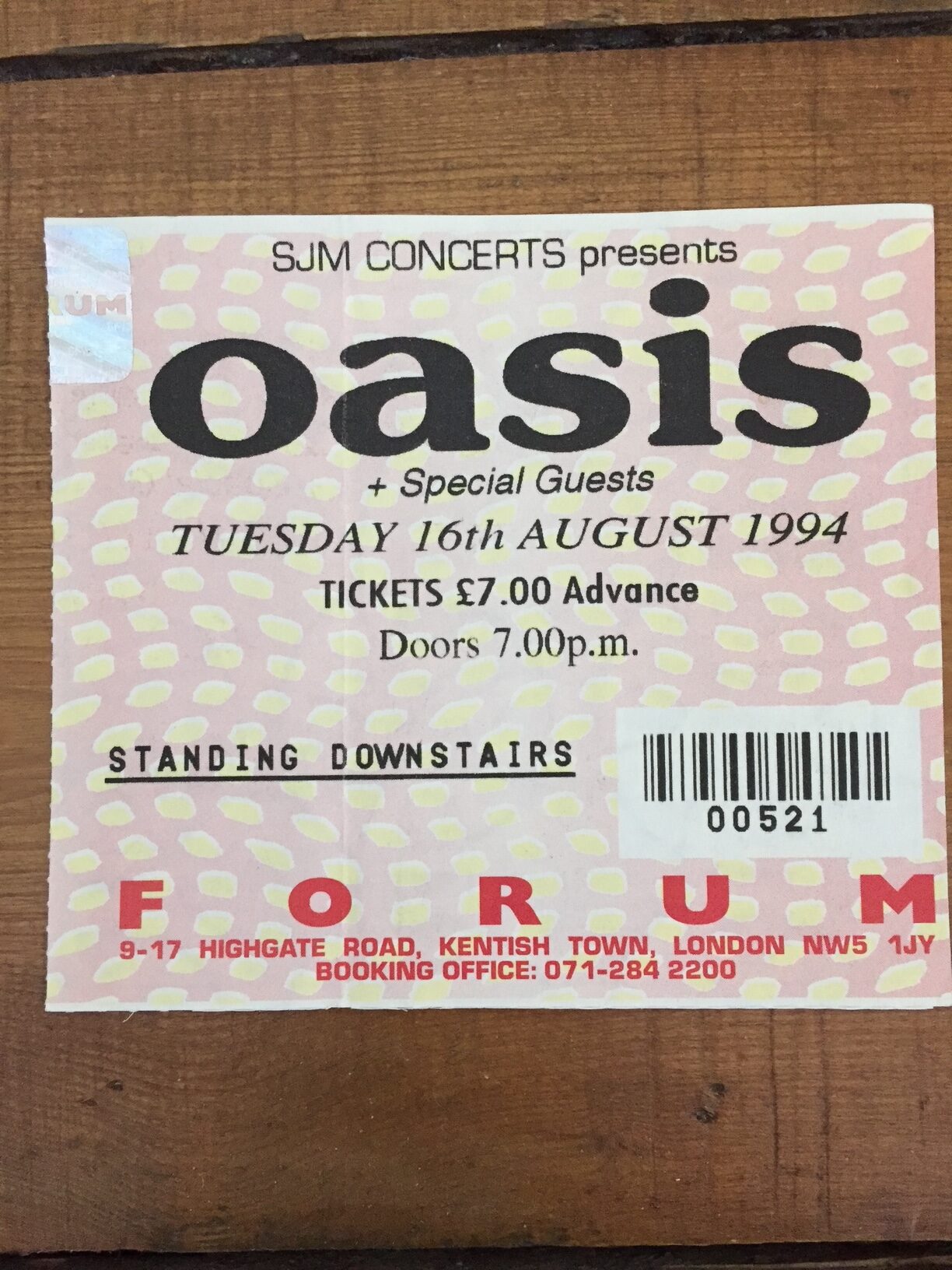
Coincidentally, much of the recent downer on dynamic pricing activity has been fuelled by the Oasis ticket debacle. But in its investigation of the matter the Competition and Markets Authority found no evidence that such pricing activity had anything to do with it. The problem was that Ticketmaster did not tell fans waiting in lengthy queues that standing tickets were being sold at two different prices, and that prices would jump as soon as the cheap tickets sold out. Very naughty.
To date, we’ve had Wendy’s, Stonegate and others widely castigated for going public on using dynamic pricing – or merely mentioning to the media that they are thinking about doing so – despite there being an inevitability about it being widely used in the future because it enables operators to use data in order to be so much smarter in the way they price their products and services.
It’s in no company’s interest to gouge their customers for a one-off margin gain that will kill any relationship they had with that individual. Hospitality companies need to hold their nerve and quietly investigate/adopt dynamic pricing, and in the meantime, let’s hope the mainstream media channels all grow up.
Glynn Davis, editor, Retail Insider
This piece was originally published on Propel Info where Glynn Davis writes a regular Friday opinion piece. Retail Insider would like to thank Propel for allowing the reproduction of this column.