Loyalty can no longer be ignored
Some years back, I worked on various projects with Dunnhumby, the data specialists behind Tesco Clubcard. With one white paper, we examined the meaning of loyalty. One of the sayings of co-founder Clive Humby was, “if you want loyalty, get a dog”.
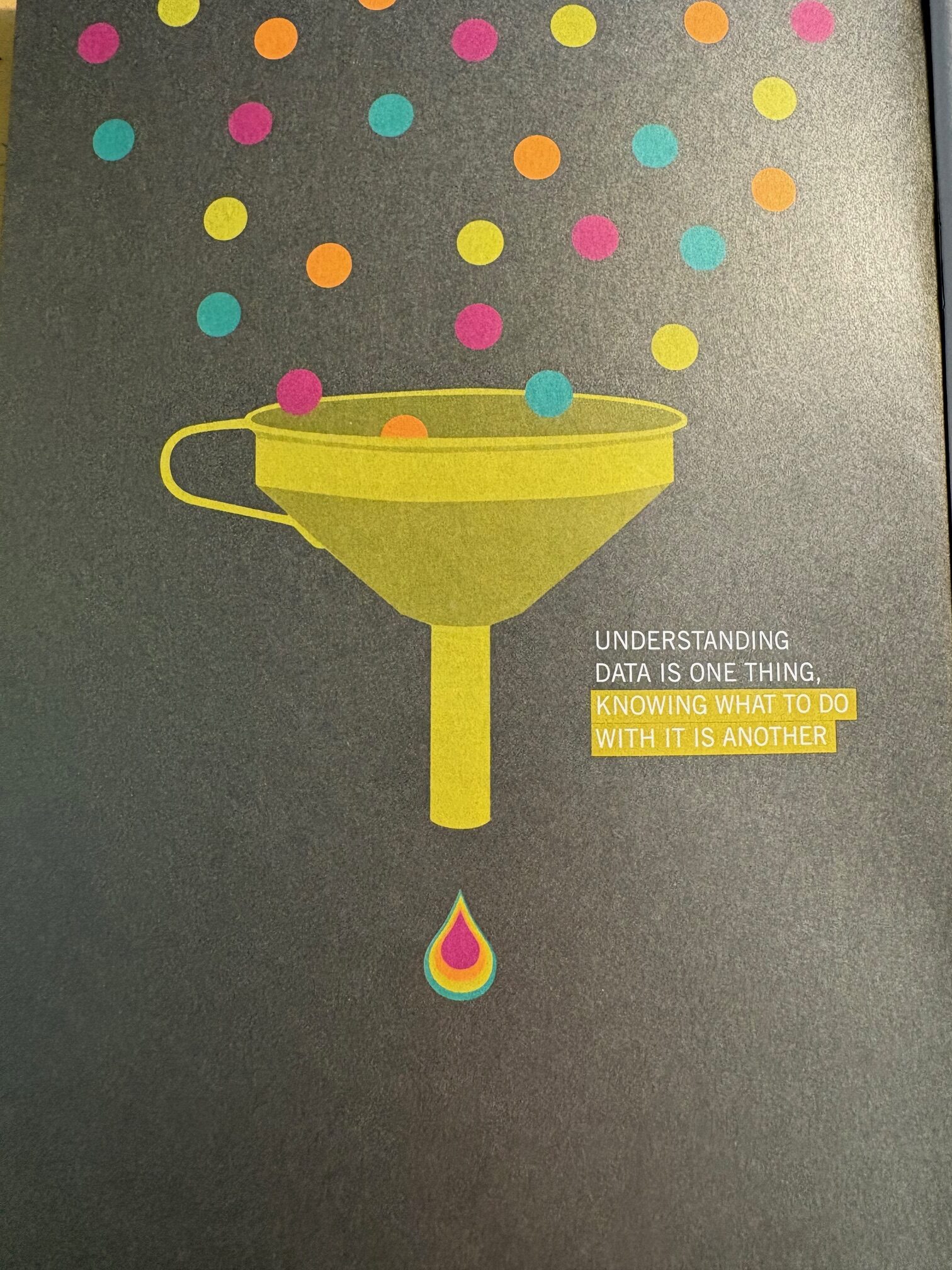
The company found people had very little loyalty to brands or companies. There were some exceptions such as football clubs, while the likes of Harley Davidson and Apple had their quota of loyal customers. But for supermarkets such as Tesco, hardly any, so Dunnhumby came up with a strategy of focusing on a business’ best customers and rewarding them for their loyalty.
These people could then be tempted into spending even more of their money with a company. It was never about giving rewards to people to make them loyal. It was, instead, about rewarding already loyal customers. Money off rewards and promotions were a thank you for their ongoing custom. Things have not really changed with this approach since the late-1990s.
Marketing director at Tesco when the Clubcard was introduced was Tim Mason (currently chief executive of Eagle Eye). Speaking at a recent event I attended, he suggests that today, there is still “unbelievable headroom in loyal customers”. He says it was easier to sell banking services to the top 20% of Tesco customers than it was to get the other 80% to shop just once more per year at its supermarkets. At the heart of loyalty programmes was – and still is – the objective of boosting frequency of existing shoppers.
It can have dramatic effects. Consider that Clubcard powered Tesco on to become the leading UK grocer – overtaking Sainsbury’s in the process – and today, we are seeing the Lidl Plus loyalty app have a massive impact on the discounter’s trading in the UK.
Louise Weise, chief customer officer at Lidl, says: “Since we launched Lidl Plus five years ago, we’ve taken in excess of two points of market share. More than half our growth in the last financial year has come through increased loyalty.” And she is excited about the future. “A huge amount of innovation and investment is going into the app, particularly in personalisation,” she says.
There are equal levels of excitement in the hospitality sector around loyalty programmes and subscriptions, judging by the activity we’ve seen over recent months, with greater personalisation high up the agenda. With almost three million loyalty app members, Burger King is shifting away from acquisition to tailored engagement. The company knows its loyalty members visit more frequently than non-members, but it also knows it can do better by boosting the customisation of the offers.
This is based on their behaviour, buying history and what comparable customers have bought. By tailoring the rewards, they become much more meaningful and valuable to shoppers. And now that artificial intelligence has appeared in the mix, it is possible to deliver hundreds of thousands of variants of promotions and offers. And it works. As many as 80% of UK consumers are more likely to redeem personalised offers than generic ones, which many people say they simply ignore, according to data from American Express.
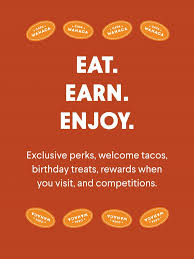
Looking to lean into this is Wahaca, which has just launched its first loyalty programme, Casa Wahaca, and Individual Restaurants, which has upgraded its Club IR. Both are operating initiatives around building deeper connections with their guests. This will then drive rewards that are less transactional, such as experience-led benefits, exclusive updates on menus and other tailored perks.
There is also an increased recognition, particularly among the quick service restaurant brands, that customers now want easier access to rewards and do not want to wait months to clock-up enough points for a free small portion of fries. Chipotle stated it has relaunched its Rewards on Repeat programme to “deliver more rewards to all members, more often”, as they want immediate value along with personalisation.
It is a similar story at Pizza Hut UK, where its recently upgraded loyalty programme seeks to reward every order with redeemable points and deliver lots of perks during the customers’ membership, including free pizza to get them started. Also joining the loyalty party is Creams, which has signed up 21,000 members in three weeks, and Five Guys, which has just launched its first programme.
This might be just a simple collect-points-and-gain-rewards mechanic, but it is yet further evidence that within hospitality, all brands now need to operate some sort of loyalty programme, regardless of complexity. If they can achieve just a tiny fraction of the boost Clubcard brought to Tesco, then it will be very much worthwhile.
Glynn Davis, editor, Retail Insider
This piece was originally published on Propel Info where Glynn Davis writes a regular Friday opinion piece. Retail Insider would like to thank Propel for allowing the reproduction of this column.