The downside of drive-thrus
When cars were snaking down the road from various drive-thru restaurants in my part of north London during those crazy pandemic times, I thought the popularity of the format would fizzle out somewhat when regular restaurants reopened to serve the neighbourhood. This has absolutely not been the case.
Although the frenzied queuing has, not surprisingly, long-subsided in the intervening five years, the fact is drive-thrus have retained their incredible popularity and are a hot area for myriad brands, landlords and investors. There are more than 250 requirements for new drive-thru sites per year, according to P-Three.
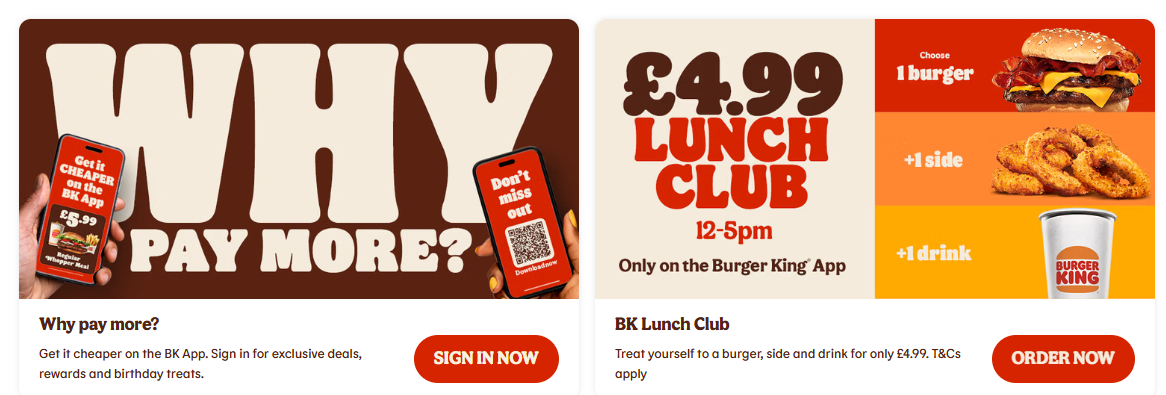
While high streets continue to struggle, the drive-thru is proving incredibly buoyant, and for many hospitality brands, it is the primary focus within their expansion strategies. This is certainly the case at Burger King UK, with the company-owned side of the business planning to open 20 new units this next year, with as many as 17 of these to be drive-thrus. It’s hardly surprising really when they are delivering 15%-20% more sales than non-drive-thru sites.
It is not alone in this strategy because there has been a plethora of announcements recently by other major operators committing serious investment to the format. Costa Coffee might have had its issues during recent times, but one bright spot is its drive-thrus, with the company recently opening its 400th such outlet, with a strong pipeline of further units.
Nick Orrin, UK & Ireland managing director at Costa Coffee, stated: “It’s a hugely successful part of our business and still a huge growth opportunity. There are only so many drive-thus that will work in the UK, but I don’t think we are there yet – I think there’s still lots to go for.”
This is very much the thinking of various other brands, which are being sucked into the format because of its power to drive superior sales levels, as well as the obvious cost efficiencies that can be accrued through running them with reduced labour compared with traditional dining room-led outlets.
Among them is Slim Chickens, which has just opened its first drive-thru, in Broughton Shopping Park in Chester, and which is the blueprint for the group as it shifts its focus away from high street restaurants and on to this format – with plans for 20 such units. Chick-fil-A has similar plans as it is expected to open its first drive-thru shortly in Hamilton, Scotland, with a second site also been secured in Cortonwood Retail Park in South Yorkshire.
Both of these have serious drive-thru expertise from their US homeland bases, and so more of an outlier to the format is Pret A Manger, which is slated to open its first such unit next May with its partner, the forecourt operator Motor Fuel Group. Such an arrangement suggests that this maiden unit will likely be situated on a motorway or road services facility. This is good news, because although I recognise the upsides of drive-thrus in car-focused locations, I have some unease with them when placed within densely populated areas next to high streets, which is exactly the case near me in north London.
My reservations include them contributing little to the community, because along with driving up pollution levels from idling engines, they also surely fuel isolation for many individuals who can use drive-thrus in order to avoid even the modest number of interactions necessary in a regular outlet. They also suck business from these traditional high street outlets, thereby contributing to the ongoing hollowing out of town centres.
This very much goes against the government’s objective of revitalising the UK’s high streets, to which it has committed £210m of fresh funding to invest in derelict buildings across the country. A hit list of undesirable operators has also been highlighted – including betting shops, vape sellers, money exchange shops and mobile phone repairers – which have often built-up clusters in many town centres.
Maybe drive-thrus should be placed on this list based on their negative characteristics, which makes them potentially undesirable additions to urban locations that would be better served by a traditional unit. There is a precedent for such action in the US, with certain states having introduced legislation to stop the construction of drive-thrus in residential areas. Will we see the US lead the way yet again in hospitality trends and UK councils consider putting in place restrictions on drive-thrus?
Glynn Davis, editor, Retail Insider
This piece was originally published on Propel Info where Glynn Davis writes a regular Friday opinion piece. Retail Insider would like to thank Propel for allowing the reproduction of this column.