How to be both a chain and independent
Wikipedia describes a chain restaurant as: “A dining establishment that operates as part of a larger group of locations under the same brand name. These restaurants share standardised menus, decor and customer experiences, and are managed by a centralised corporate entity or through franchise agreements.”
I don’t like the sound of that. I’m sure I’m in the minority here, but whenever I’m asked which are my favourite chain restaurants, I struggle to find an answer. In reality, I’ve never really frequented them, because in my opinion, sticking rigidly to playbooks runs the risk of sucking the life out of establishments.
My preference is for spending time and money in independents where there is undoubtedly a modest amount of jeopardy – if you don’t do your research, that is – which I always do. But the flip side of this is likely to be a unique, characterful experience. They are places where serendipity can propagate naturally rather than it being something force-bred according to an operating manual.
There has been an exception to my chain-free dining life, and that came when my children were young. PizzaExpress became my family’s go-to chain, primarily because of one small detail – they bring dough balls and crudités (which the parents invariably eat) to the table almost immediately upon ordering, along with the first glasses of wine for the frazzled adults.
There was also something else that the company had that differentiated it from other chains. This dated back to its legendary founder Peter Boizot, who from day one ensured his restaurants featured unique, localised interior designs that reflected their often-historic sites. Even as the business grew to a sprawling chain, it continued to adhere to its founder’s principles, and the dining rooms have always retained a personality that has helped take the experience a step away from being in overt-chain land.
There is no doubt that many operators are very dismissive of the term “chain” and are loath to see their businesses tagged as such a thing, even as they achieve significant scale. Instead, the word “collection” often gets bandied around.
Speaking at the Propel Operational Excellence Conference recently, Kate Eastwood, managing director of Loungers – which now has approaching 280 sites nationally – suggested: “We have individual names on our sites and designs, and the team can wear their own clothes. They can be themselves and this makes a big difference. How many people do not know that we are – and I hate to use the word – a chain?”
It has found the genius business model of straddling the two camps of being a chain and also appearing to operate independent outlets. In my view, this is the crucial aspect that has enabled the business to grow at a rapid rate and become one of the success stories of UK hospitality over recent years.
The systems that deliver the consistency of a chain are kept behind the scenes. Consider that the dishes on the menus are identical across the whole business and are constructed in the kitchens according to the same operational practices in the company manual, which enables food to be religiously delivered to the table within 20 minutes.
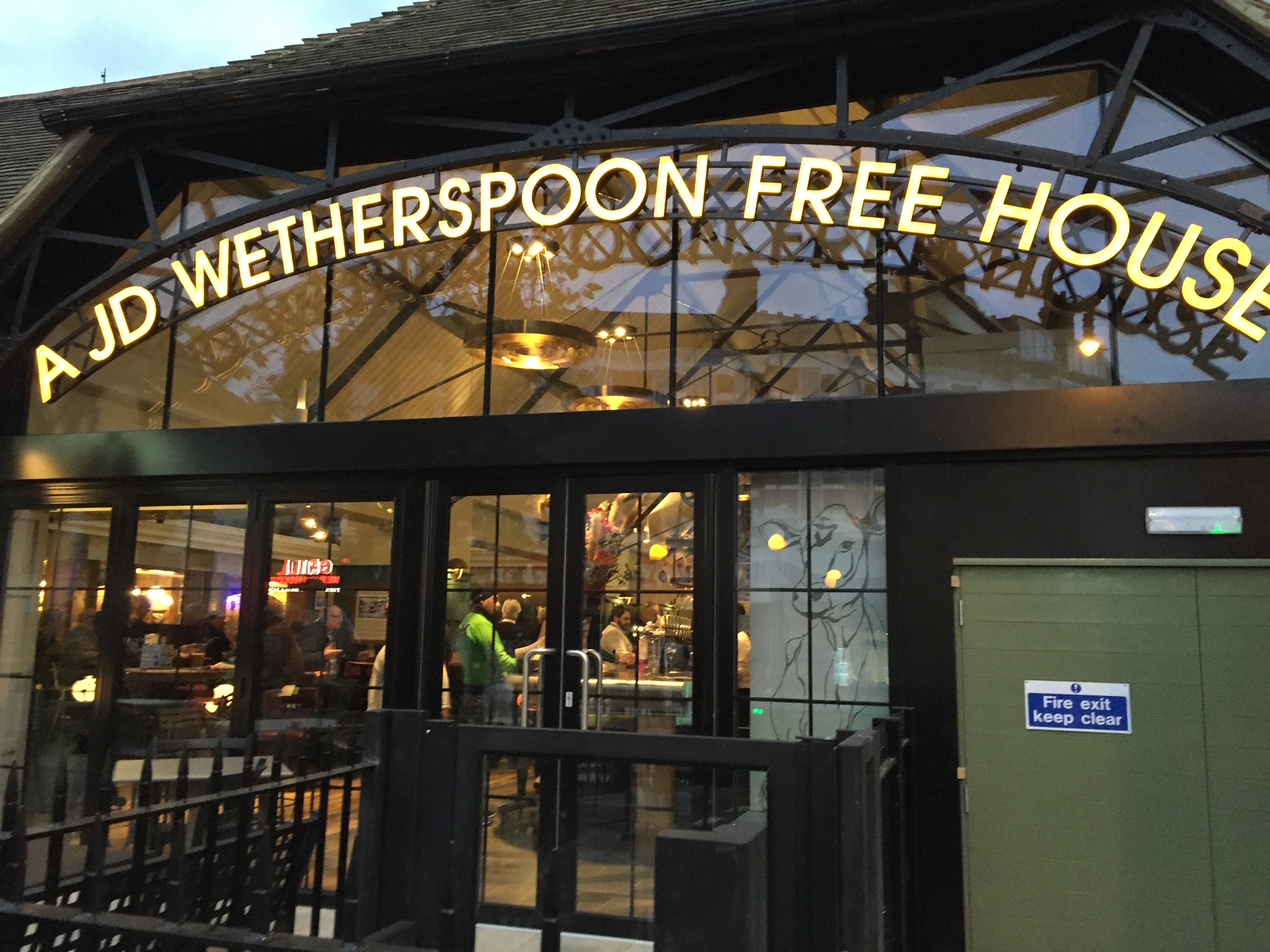
We could almost describe Loungers as the younger sister of big brother JD Wetherspoon, which operates to strict guidelines to bring it incredible consistency and efficiencies, but each pub is aesthetically unique. Many are conversions of historic buildings such as banks, churches, post offices, theatres and public swimming pools. Overlaid on this is thematic furnishing that reflects the heritage of the building or its location. Each also has its own unique carpet inspired by the pub’s name, location and building.
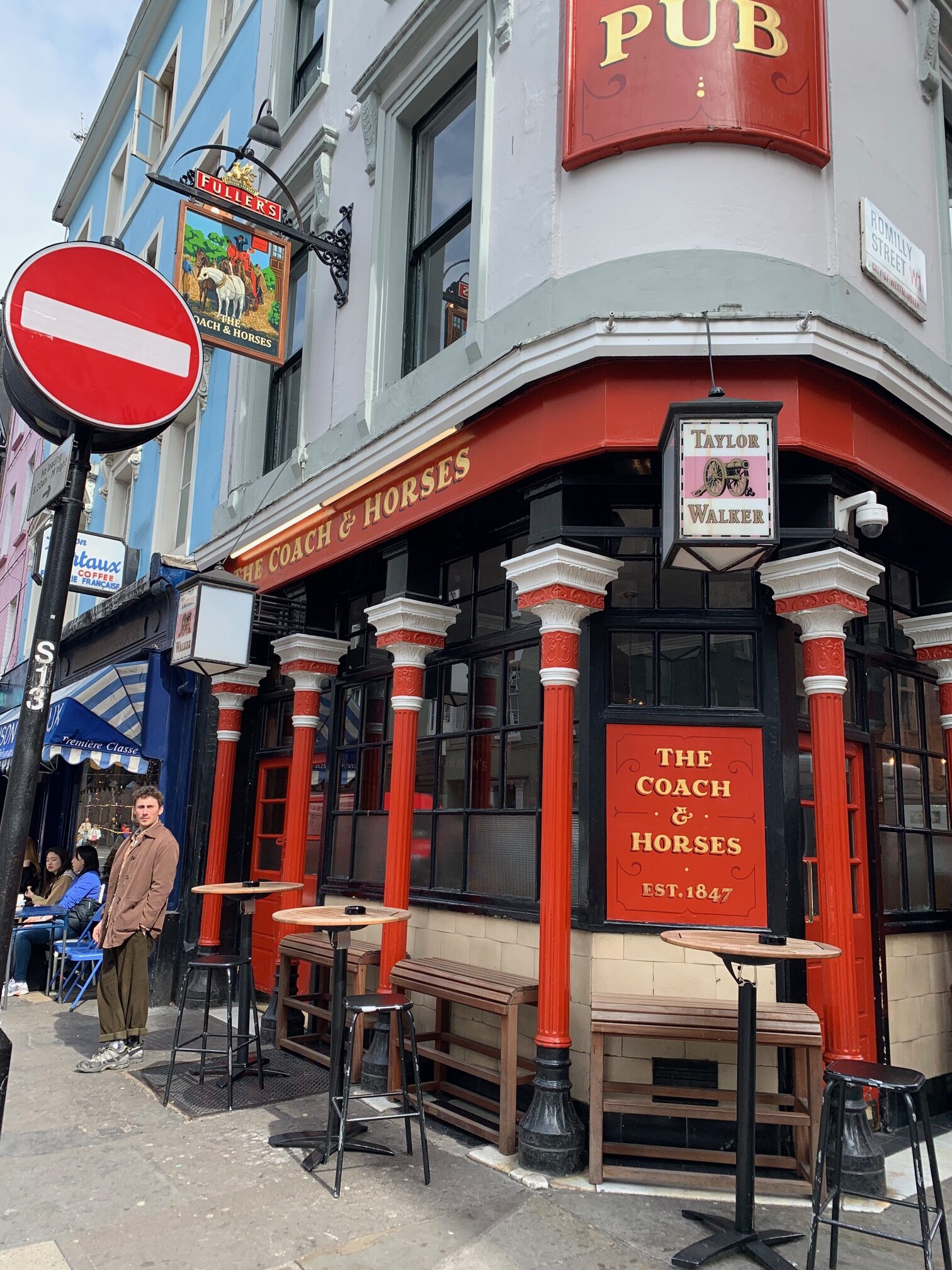
Would it be obvious that you were in a Wetherspoon when you walk through the door of one of its pubs for the first time? Stood in the Coach & Horses pub in Soho I deliberated this with seasoned pub-goer Tim Sheahan, editor of the Brewers’ Journal, who reckoned he could step into any Wetherspoon, Fuller’s or Young’s pubs and would quickly know its owner from the visual cues. But a regular customer would be unlikely to pick up on it, we concluded. Admittedly, the Fuller’s-owned Coach & Horses itself runs a coach and horses through that particular theory – but there are always exceptions!
This ability to have a foot in both camps is something that Cornish Bakery founder Steve Grocutt is now zealously pursuing. He recently attacked the cookie-cutter approach within hospitality that he had successfully used to build a chain of more than 70 units. A few years back, he abandoned it to instead adopt an “anti-brand” strategy, with the units now all having their own personalities and the feel of independent businesses.
It seems that some companies have worked out how to have their cake and eat it. Having seen the success of others, maybe more hospitality businesses should be looking at the ingredients that make up such a hybrid business model.
Glynn Davis, editor, Retail Insider
This piece was originally published on Propel Info where Glynn Davis writes a regular Friday opinion piece. Retail Insider would like to thank Propel for allowing the reproduction of this column.