
Vending to the will of the masses
When visiting my parents in Yorkshire, I was told about a new stand-alone milkshake store, The Milk Tap, in a small village outside the town of Doncaster that my daughter was particularly keen to try out. But I suspected there was little chance it would be open mid-morning on a Tuesday.
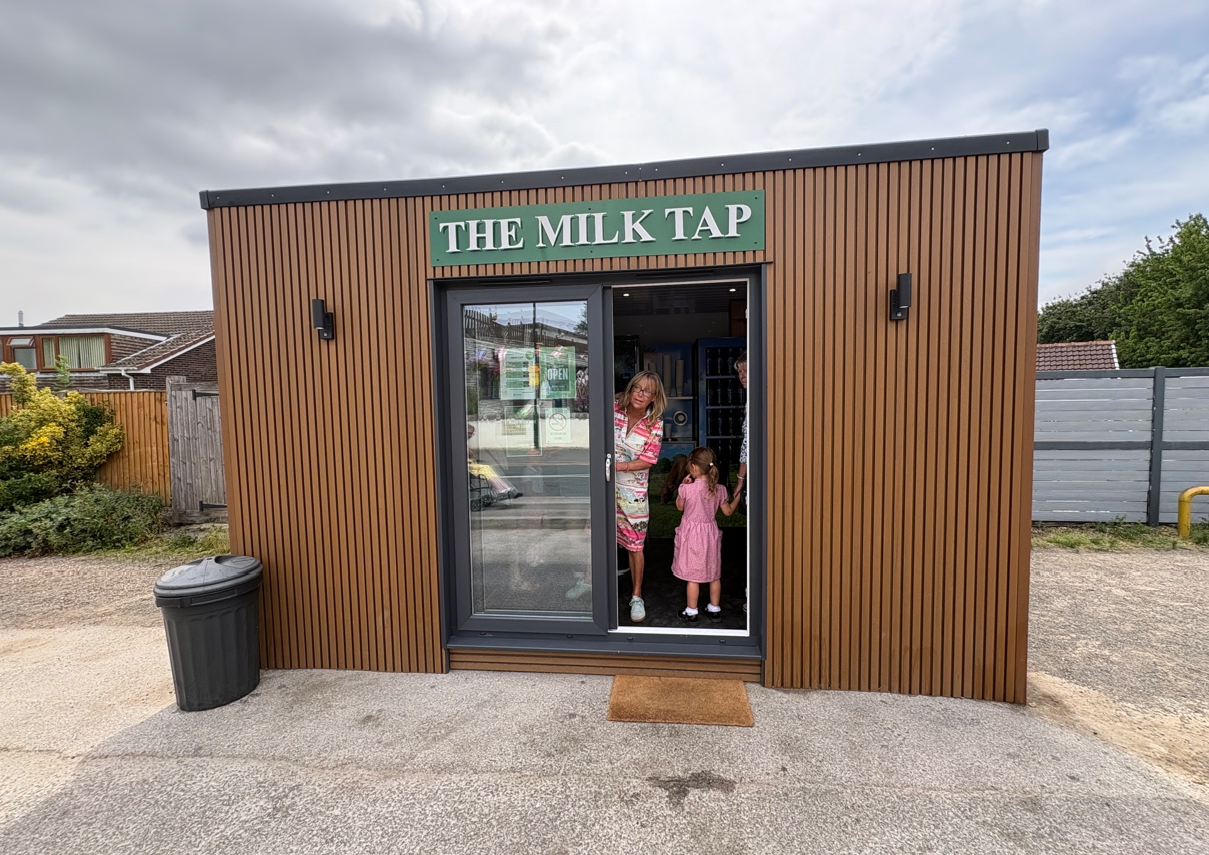
We made the journey anyway, and we were pleasantly surprised to find it open because it was a fully automated unit operating from 6.30am to 11pm, seven days per week. It just requires someone to lock and unlock the doors outside those lengthy hours.
It has been set up to support local farmers and has a simple product offering of fresh milk in smart re-usable litre bottles and six flavours of milkshakes decanted into either cups or via the bottles. Its use of vending machines taking contactless payments that dispense the glass bottles, and the milk drinks represents another example of these devices being used within the UK.
The reputation of vending machines remains poor to many people who have recollections of paying for goods that are never delivered through the hatch. But the industry is undergoing something of a revolution. The UK’s vending, coffee services and automated retail industry generated £3.8bn in revenues, according to the AVA’s 2025 Census & Market report, which is up 3.3% on 2024 and places the industry 5% above pre-pandemic levels in 2019.
There are a number of factors at play here. Cashless payment technology has undoubtedly helped and is now fitted to 95% of pay-vend machines (up 5% on 2024), with as many as 30% of machines no longer taking cash. These cashless customers spend as much as double the amount per transaction as cash payers. Maybe these people are also too young to remember the wasted coins older generations fed into these machines.
There has also been a massive roll-out of coffee vending machines across the UK that have no doubt contributed to a positive perception of vending machines. Alongside this is the growing use of self-serve bars that have become a feature at large-scale events. Butlin’s has installed them on a permanent basis at three of its holiday parks using Boxbar technology, which enables drinks to be dispensed in only six seconds.
Another key driver of usage is the growth in hybrid working environments, where staffed catering is not economically viable. All the major contact catering groups such as Compass Group (with its Amplifi division) have embraced the technology and sold it into their clients. This follows the continued adoption of these fridges in hospitals and educational establishments.
The solution in these environments are smart fridges that require a bank card to open them and then charge customers based on radio frequency identification, weight sensors and cameras detecting the products that have been removed. The largely protected environments these devices operate within has enabled their proliferation. They have enjoyed growth of 50% over the past year alone, with 2,850 now in operation, according to the AVA report.
Much of the UK’s vending market still remains wedded to the historical categories of hot and cold beverages and bagged snacks, but maybe things could be about to change here, with the likes of Greggs moving into the market through its new Greggs Express format. The self-serve concept is to be rolled out to ten locations by the end of this year. The food-to-go vending machines consist of two Fairtrade drinks machines – one each for hot and cold beverages – alongside a unit offering a range of savoury and sweet baked goods.
It will be interesting to see how this trial goes and whether it will prompt other operators to dip a toe in the market. The most obvious advantages of vending machines is the reduction of labour and the ability to operate 24/7. But this has not necessarily protected the market in Japan – which has the highest density of vending machines in the world, with one per 23 people compared with one per 55 in the UK, according to UK Vending.

It’s a tad ironic really that the machine operators in Japan have struggled to maintain their vast networks – from a maintenance perspective and also keeping them stocked with goods – because of the country’s shortage of labour. An analyst in Japan stated: “Vending machines may look automatic but the operations [re-filling etc] are still done by people. They’re only automatic at the point-of-sale.”
The UK has an undoubted advantage here because we are talking about much greater use of contactless than in Japan – where interestingly, cash is still widely used – which reduces human intervention with the devices for cash collection. And the newer technology used has remote monitoring for diagnostics and provides the ability to track sales, thereby deliveries of inventory to the machines can be optimised.
Vending machines are hardly a new phenomenon, but technology developments, workplace behaviour changes and the upsides of serving customers on reduced labour costs are worth exploring for all hospitality companies. So, while the likes of The Milk Tap might not necessarily be a cash cow for its owners, it does open up new revenue streams on manageable operating costs.
Glynn Davis, editor, Retail Insider
This piece was originally published on Propel Info where Glynn Davis writes a regular Friday opinion piece. Retail Insider would like to thank Propel for allowing the reproduction of this column.